- Best overallSnickers 9169 D3O inserts (£35 to £45) in any pocketed work trouser. The pair you forget you’re wearing.
- All-day kneelingFento Original (£75 to £89). Spreads the load along the shin, not the kneecap. Floor trades start here.
- BudgetPortwest KP60 (£12 to £15). Same certification as pads at three times the price.
Why your knees are a business asset
If you tile, plumb, lay floors, fit kitchens or chase cables at skirting height, your knees take a beating no office worker can imagine. The damage is cumulative: bursitis (a swollen, fluid-filled cushion in the joint), worn cartilage and, at the far end, a knee replacement and months off the tools.
Health and Safety Executive (HSE) statistics consistently show musculoskeletal disorders as one of the biggest causes of work-related ill health in Great Britain, with construction among the worst-hit industries. For the self-employed, every one of those days off is unpaid. That changes the maths completely.
So this guide doesn’t ask “which knee pads are cheapest”. It asks which ones you’ll still be wearing in a year, because the pads that live in the van instead of on your knees protect nothing.
The best knee pad is the one you don’t take off. Comfort beats armour. A mid-protection pad worn ten hours a day does more for your knees than a tank of a pad that comes off by ten o’clock.
- The Snickers 9169 knee pad inserts use D3O, a material that stays flexible in motion and stiffens instantly under impact, and cost £35 to £45.
- The Fento Original costs £75 to £89, weighs about 250g per side, and spreads kneeling load along the shin instead of the kneecap.
- The Portwest KP60 costs £12 to £15 and meets EN 14404 Type 2 Level 1, the same certification level as pads at three times the price.
- EN 14404 Level 2 adds penetration resistance against debris such as nails; Level 1 protects on flat surfaces only.
- At a £280 day rate, a £45 pair of knee pads has a Payback Score of 0.2: it covers its cost by preventing roughly ninety minutes of lost work, once.
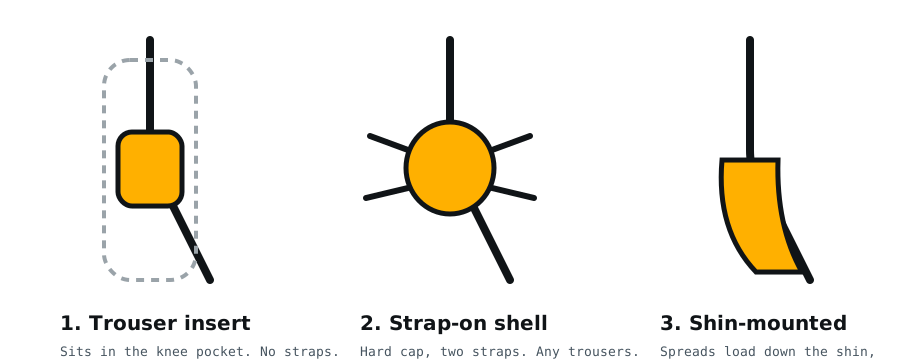
The picks at a glance
Snickers 9169 D3O inserts + pocketed trousers
D3O is a clever foam that stays soft as you move but stiffens instantly under impact. In a decent pocketed work trouser these disappear: no straps, no sweaty backs of knees, nothing to take off. The combination most likely to be on your knees at 4pm on a Friday, which is the whole game.
Fento Original
Different idea entirely: a shin-mounted support that spreads your weight down the lower leg instead of stacking it on the kneecap, developed with medical specialists and weighing about 250g a side. The most expensive pick here, and the one the floor trades consistently rate as the best money they have spent on their knees.
Portwest KP60
Around £12 to £15 and honestly decent. Foam rather than gel, so it compresses and needs replacing yearly with regular use, but as a first pair or a van spare it does the job without drama.
Buy on Amazon →
Full comparison table
| Pad | Type | Street price | EN 14404 | Payback Score* | Best for | |
|---|---|---|---|---|---|---|
| Snickers 9169 D3O | Trouser insert | £35 to £45 | TYPE 2 / L1 | 0.2 DAYS | Most trades, all-day wear | Buy → |
| Fento Original | Shin support | £75 to £89 | CERTIFIED | 0.3 DAYS | Tilers, floor layers, landscapers | Buy → |
| ToughBuilt GelFit Rocker | Strap-on shell | £30 to £40 | TYPE 2 / L1 | 0.15 DAYS | Mixed surfaces, leaning work | |
| Redbacks Pads | Trouser insert | £25 to £30 | TYPE 2 / L1 | 0.1 DAYS | Spring-cushion alternative to gel | |
| Blaklader 4058 | Trouser insert | £20 to £28 | M1G / H1G | 0.1 DAYS | Blaklader trouser owners | |
| KneePro Ultra Flex III | Strap-on shell | £40 to £50 | HINGED SHELL | 0.2 DAYS | Rough ground, demolition | |
| Portwest KP60 | Strap-on foam | £12 to £15 | TYPE 2 / L1 | 0.05 DAYS | Budget, occasional use | Buy → |
| Generic gel (unbranded) | Strap-on shell | £10 to £18 | OFTEN NONE | N/A | Avoid. See small print below |
*Payback Score = lost working days the pad must save to cover its cost, at a £280 day rate. Lower is better. Run your own rate through the calculator. Affiliate links to Screwfix, Toolstation and Amazon will sit in each row; the recommendations were locked before any link was added.
The detail on each pick
Snickers 9169 D3O: the pair you forget you’re wearing
Inserts live inside the knee pocket of your work trousers, which solves the two problems that kill strap-on pads: straps cutting in behind the knee, and the faff of taking them on and off in the van. The D3O material is the upgrade over standard foam inserts. It moves with you when you walk, then firms up the instant your knee hits concrete.
The catch is obvious: you need pocketed trousers, and a decent pair of those is £40 to £90 on top. If you’re already in Snickers, Blaklader or Scruffs trousers, this is the easiest upgrade in this guide.
Fento Original: for the trades that live on their knees
Everything else in this guide cushions the kneecap. The Fento takes the load off it, spreading your weight along the shin with a wide elastic strap deliberately positioned so nothing constricts behind the knee. At about 250g a side you stop noticing them, and the difference at the end of a full tiling day is not subtle.
At £75 to £89 it’s the priciest pick here, which is why the payback framing matters: for a floor layer, that is one third of one lost day. Floor trades, landscapers and anyone with existing knee trouble should start here.
Portwest KP60: the honest budget option
No clever materials, just shaped foam, a hard cap and straps that hold. It meets the same Type 2 Level 1 standard as pads at three times the price. The trade-off is lifespan: foam compresses, so with daily use expect to replace them inside a year, and the straps are the first thing to complain on hot days. For occasional kneeling or a glovebox spare, it’s all you need.
The EN 14404 small print, decoded
EN 14404 is the European standard for knee protection at work. The label has two parts worth reading:
- Type 1 pads strap to your leg, Type 2 pads fit trouser pockets. Neither is better, it’s just the fixing method.
- Level 1 protects on flat surfaces. Level 2 adds penetration resistance, meaning a dropped screw or a shard of tile won’t come through the pad. Site work with debris underfoot wants Level 2; finished-floor trades are fine on Level 1.
This is also where the unbranded £10 gel pads fall down: many carry no certification at all, and uncertified gel has a habit of splitting at the seams within weeks. The cheapest pad that protects nothing is the most expensive pad you can buy.
Quick answers
Are gel knee pads better than foam knee pads?
Gel conforms to the knee and spreads pressure better over long sessions, and it keeps doing so for years. Foam is lighter and cheaper but compresses flat over time. All-day kneelers should buy gel or D3O; everyone else can save the money.
Should I buy knee pad inserts or strap-on knee pads?
Inserts win on comfort and all-day wear if you already own pocketed trousers. Strap-ons win if you kneel occasionally, switch between trousers, or work in shorts all summer like half the country’s landscapers.
Do knee pads help if my knees already hurt?
No, and anyone telling you otherwise is selling something. Pads slow the damage down. Knees that already complain need pacing, technique changes and, past a point, a professional opinion. The pad is insurance, not treatment.
Check your work trousers first. If they have knee pockets, the cheapest meaningful upgrade you can make this week is a £25 to £45 insert, no new kit required.